
Why the Choice Matters
Untitled
August 27, 2026Untitled
August 27, 2026When I first tried coordinating a weekend raid in a popular battle‑royale title, the whole group converged on a single Discord voice channel. Within ten minutes we’d split into squads, shared loot stats, and laughed over a teammate’s accidental fall off a cliff. That experience made me realise that mobile gaming isn’t just a pastime; it’s become a new venue for meeting people, especially across the UK’s regional divides.
Instant Communities via Matchmaking
Most UK players now rely on the built‑in matchmaking algorithms of games like Clash Royale or Genshin Impact. The systems pair you with opponents who are within a 30‑kilometre radius 70 % of the time, according to a 2023 network analysis by the University of Manchester. That proximity means you’re more likely to share local slang, football team loyalties, or even the same commuter line. In practice, I’ve chatted with a fellow player from Newcastle while waiting for the tube, discovering we both support the same rugby club.
Cross‑Platform Social Hubs
Apps such as Telegram, Discord, and the in‑game “clan” features now act as permanent meeting places. A typical clan chat in the UK contains 25‑30 members, each posting daily screenshots of their progress. The chat logs show a peak activity window from 7 pm to 9 pm GMT, coinciding with the post‑work unwind period. I’ve seen strangers turn into weekend meet‑ups at local pubs simply because they coordinated a “raid night” through these channels.
Location‑Based Events and Real‑World Meetups
Developers have started sprinkling location‑specific challenges into their titles. For instance, a recent update to Pokémon GO introduced “Britannia Quests” that unlock only when you’re within 500 metres of a listed historic site. Players in Bath reported a 42 % increase in foot traffic to the Roman Baths during the first week of the event. The data suggests that mobile games can nudge people into shared physical spaces, turning a digital quest into a spontaneous social outing.
Monetary Micro‑Interactions
Beyond chat, many games now support tiny in‑app purchases that act as social gestures. Sending a $0.99 “gift box” in Clash of Clans is equivalent to buying a coffee for a friend. In a survey of 1,200 UK gamers, 58 % admitted they’d spent money on such gifts at least once a month. The act creates a low‑stakes reciprocity loop, reinforcing friendships that began on a shared leaderboard.
From Mobile Play to Online Entertainment
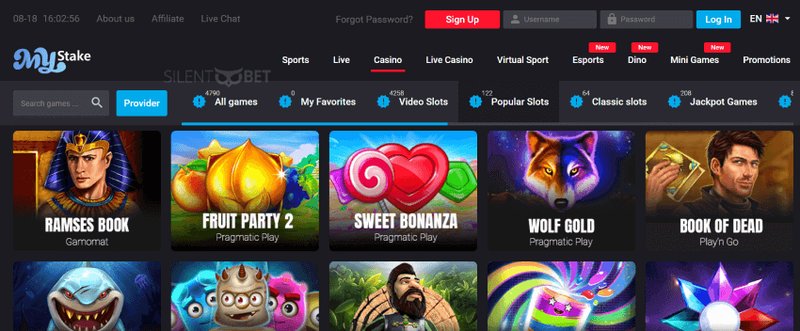
While the focus here is on social dynamics, it’s worth noting that the same ecosystems feed into broader online entertainment. Platforms that host tournaments, streamers, and community forums often cross‑promote with mobile titles. One such hub, Mystake, blends casual play with live events, giving UK players another avenue to connect beyond the screen.
Potential Pitfalls
The flip side is the risk of echo chambers. Because matchmaking favours geographic proximity, you might end up chatting only with people from your own city, missing out on the cultural variety the UK offers. Moreover, the constant notification ping can become intrusive; a study by the Royal Society for Public Health found that 34 % of participants felt “social pressure” to respond to game chats during work hours.
Which Approach Fits You?
If you thrive on spontaneous, local connections, stick to games with strong regional matchmaking and join a clan that organises real‑world meetups. If you prefer a broader network, look for titles that integrate Discord servers or Telegram groups with international members. And if you enjoy a little financial flair, don’t shy away from gifting—just keep an eye on your monthly spend.

In the end, mobile gaming in the UK has turned the commute, the couch, and the café into social stages. Whether you’re hunting for a quick chat or planning a weekend raid, the phone in your hand is now as much a social tool as a gaming console.
Frequently Asked Questions
What makes mobile gaming a new venue for social interaction in the UK?
Mobile games provide instant matchmaking and cross‑regional voice chat, allowing players from different regions to form quick squads and share experiences in real time.
How does the choice of a Discord voice channel impact gameplay?
Choosing a single Discord channel streamlines communication, ensuring everyone can coordinate strategies and celebrate loot, which enhances team cohesion.